How to Dispose of Gloves Safely and Responsibly?

Time:2026-08-21 Author:Aria
0%

The pandemic heightened awareness of personal protective equipment (PPE), particularly gloves. As their usage surged, so did the concern regarding proper disposal methods. According to a report from the World Health Organization (WHO), improper disposal of PPE can lead to environmental hazards and health risks. This raises an urgent question: How to dispose of gloves safely?

Gloves, often made of materials like latex or nitrile, should never be thrown in regular trash. They can harbor pathogens and pose risks to sanitation workers. Research indicates that millions of gloves are used daily across healthcare sectors. The challenge is to ensure their disposal does not harm our environment. Simple solutions exist, yet many overlook them in the rush after use.

It’s essential to understand that improper disposal not only affects human health but also wildlife. Reports show that marine animals often ingest plastics and rubber products, leading to dire consequences. Users must reflect on their practices and explore ethical ways to dispose of gloves responsibly. Learning how to dispose of gloves safely is not just a personal responsibility but a collective one that impacts our ecosystems.
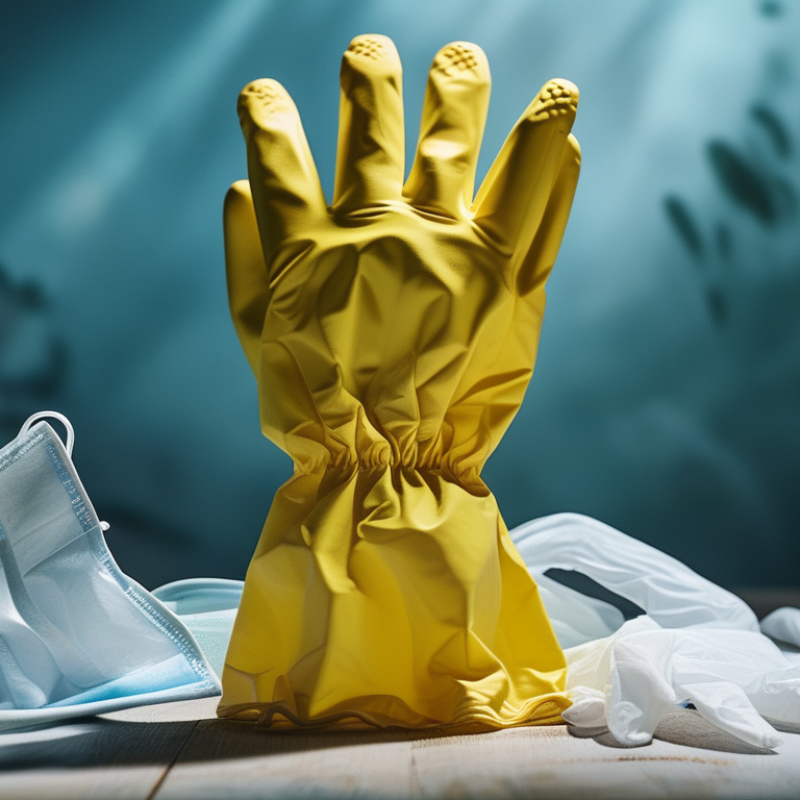
How to Dispose of Gloves Safely and Responsibly?

Methods for Safely Disposing of Disposable Gloves in Healthcare Settings

In healthcare settings, the disposal of disposable gloves is crucial. According to the Centers for Disease Control and Prevention (CDC), improper disposal can lead to environmental contamination and health risks for workers. A significant percentage of hospital waste, about 15%, is classified as hazardous. This includes contaminated gloves that must be disposed of safely.

Gloves should be thrown away immediately after use. They should go into a designated waste bin to prevent cross-contamination. Many facilities now utilize color-coded bins to help with this process, making disposal easier and more efficient. Proper training for staff is also important. According to a study by the World Health Organization, many healthcare workers lack awareness of guidelines for glove disposal. This highlights a gap in knowledge that needs to be addressed.

Recycling programs for gloves are emerging but remain limited. Healthcare facilities must weigh the benefits against costs and safety concerns. Some experts argue that while this could reduce waste, it also presents risks if not done properly. Awareness and education about the environmental impact are necessary. Developing robust disposal protocols remains a challenge that requires ongoing attention.

Understanding the Environmental Impact of Improper Glove Disposal

Improper disposal of gloves poses a significant environmental risk. According to the World Health Organization, billions of disposable gloves are used annually in healthcare settings alone. When these gloves are discarded improperly, they can contribute to pollution and harm wildlife. Many gloves are made from plastic materials that take decades to decompose. This leads to ecological damage and affects marine life.

Research from the International Journal of Waste Management shows that discarded gloves often end up in landfills or rivers. For every million gloves used, an estimated 1,000 can find their way into water systems. Wildlife mistakes these as food, leading to ingestion and potentially fatal consequences. The statistics are alarming; an increase in glove waste correlates with growing environmental concerns.

Public awareness about proper disposal methods is crucial. It’s essential to use designated waste bins for gloves instead of regular trash. Despite this knowledge, many still discard gloves thoughtlessly. Educating communities can mitigate these issues. Addressing the gap between knowledge and action will foster a more responsible culture around medical waste disposal.

Best Practices for Recycling and Repurposing Medical Gloves

When it comes to recycling and repurposing medical gloves, choosing the right method is crucial. Many gloves are made from materials that are challenging to recycle. However, there are still options. One approach is to seek out specialized recycling programs. Some facilities accept used gloves to create new products. This can reduce waste significantly. It's worth researching local recycling initiatives to find out what options exist.

Another way to repurpose gloves is to use them creatively. Clean, unused gloves can serve various household purposes. They can be transformed into protective covers for tools or even be used in arts and crafts projects. This not only extends the life of the gloves but also encourages a sustainable mindset. There is beauty in reimagining items we often discard.

Nonetheless, not all gloves can be recycled or repurposed. The potential for contamination poses concerns. It’s essential to evaluate the condition of gloves before deciding. Sometimes, the easiest route feels right. However, it’s worth taking the time to reassess. Each small step can contribute to a larger positive impact on the environment.

Distribution of Medical Gloves Disposal Methods

Regulatory Guidelines for Hazardous Waste Management of Gloves

When disposing of gloves, it's essential to adhere to regulatory guidelines for hazardous waste management. Many gloves used in medical and industrial settings contain harmful substances. These should not be discarded with regular waste. Instead, manage them as hazardous waste to avoid contaminating the environment.

One critical step is to identify the type of gloves you are using. If they are contaminated, collect them in a designated waste container. Ensure this container is clearly labeled. This practice helps in proper identification during waste processing.

Consider the disposal method too. Many facilities have specific protocols. Research local regulations to ensure compliance. Utilize certified hazardous waste disposal services for safe handling and transportation. Reflect on the importance of training staff on these practices, as improper disposal can lead to serious consequences.

All personnel involved should understand the risks and responsibilities. Regular training sessions are a good idea. By reinforcing proper disposal methods, we foster a culture of safety and responsibility in the workplace.

How to Dispose of Gloves Safely and Responsibly? - Regulatory Guidelines for Hazardous Waste Management of Gloves

Category of Gloves Material Hazard Level Disposal Method Regulatory Guidelines
Medical Gloves Nitrile, Latex High Incineration or Hazardous Waste Landfill EPA & OSHA Guidelines
Industrial Gloves PVC, Leather Medium Recycling or Non-Hazardous Waste Landfill Local Environmental Regulations
Household Gloves Rubber, Silicone Low Regular Trash (if clean) Local Waste Management Guidelines
Contaminated Gloves Various Materials High Medical Waste Disposal EPA & Healthcare Facility Standards

Education and Training for Safe Glove Disposal in Workplaces

Proper education and training are crucial for ensuring safe glove disposal in workplaces. Employees must understand the risks associated with improper disposal. Regular training sessions can highlight the importance of handling used gloves safely. This training should include the right disposal methods and the potential hazards of contaminated gloves.

Tips for effective glove disposal training include using real-life scenarios in training sessions. Discuss incidents that resulted from improper disposal. Encourage employees to share experiences or concerns about glove disposal. Visual aids, like posters or videos, can help reinforce key messages. Make it interactive to keep participants engaged.

Another vital aspect of training is providing clear disposal guidelines. Ensure locations for disposal are well-marked and easily accessible. Employees should know how to distinguish between regular waste and medical or hazardous waste. Follow up on training with quizzes to assess understanding. Giving feedback and addressing misunderstandings can lead to improvement.

FAQS

: Why is proper disposal of disposable gloves important in healthcare?

: Proper disposal prevents environmental contamination and safeguards the health of workers.

How should disposable gloves be disposed of after use?

Dispose of gloves immediately in a designated waste bin to avoid cross-contamination.

What do color-coded bins do in glove disposal?

They simplify the disposal process, making it more efficient and reducing errors.

Are healthcare workers aware of glove disposal guidelines?

Many healthcare workers lack awareness. This knowledge gap needs attention to improve practices.

Is recycling of disposable gloves common in healthcare?

Recycling programs exist but are limited. They involve weighing safety against potential benefits.

How can unused gloves be creatively repurposed?

Clean gloves can serve as tool covers or be used in arts and crafts projects.

What concerns exist about repurposing or recycling gloves?

Contamination risks can make gloves unsuitable for recycling or repurposing.

Should facilities prioritize disposal education for staff?

Yes, ongoing training is needed to improve awareness and disposal practices among healthcare workers.

Can every type of glove be recycled?

No, many gloves are made from materials that are difficult to recycle safely.

Is it worthwhile to reassess disposal practices?

Yes, taking time to reassess can lead to a bigger positive environmental impact.

Conclusion

The article "How to Dispose of Gloves Safely and Responsibly" explores essential methods and practices for the proper disposal of disposable gloves, particularly in healthcare settings. It emphasizes the importance of understanding the environmental impact resulting from improper glove disposal. Best practices include recycling and repurposing medical gloves wherever feasible, following regulatory guidelines for hazardous waste management, and providing education and training for employees on how to dispose of gloves safely and responsibly. By implementing these strategies, workplaces can minimize their ecological footprint and ensure compliance with health regulations.

Aria

Aria

Aria is a dedicated marketing professional with a deep passion for innovative strategies and a keen understanding of our company's product offerings. With a wealth of experience in the industry, Aria excels at crafting engaging content that highlights the unique features and benefits of our......