How to avoid cross-contamination in labs with gloves begins with treating gloves as a temporary barrier, not a guarantee of safety. A clean pair can become contaminated after touching a phone, door handle, shared pipette, or the rim of a sample tube. Small habits matter. Change gloves between tasks, samples, and work areas, following your laboratory’s approved procedures. Remove them without touching bare skin to the contaminated exterior, then perform hand hygiene. The details may feel repetitive. They are not trivial.
Infection-prevention expert William A. Rutala has emphasized, “Gloves are not a substitute for hand hygiene.” That principle applies beyond clinical settings: gloves can transfer material just as hands can. Before starting, check that gloves fit properly and suit the task. During work, keep clean supplies separate from used materials, and avoid touching common surfaces with task gloves. If a glove tears, becomes visibly soiled, or contacts an unintended surface, stop and replace it. A rushed change can spread contamination further.
Good technique takes practice. A discarded glove left beside a bench can undermine careful sample handling. So can a moment of uncertainty about whether a surface was touched. This guide will examine glove selection, changing and removal, task separation, and common workflow mistakes. It will also acknowledge a practical limitation: written rules cannot anticipate every bench layout or procedure. Teams should review their own routines, notice where contamination could travel, and revise habits when evidence or experience points to a safer approach.
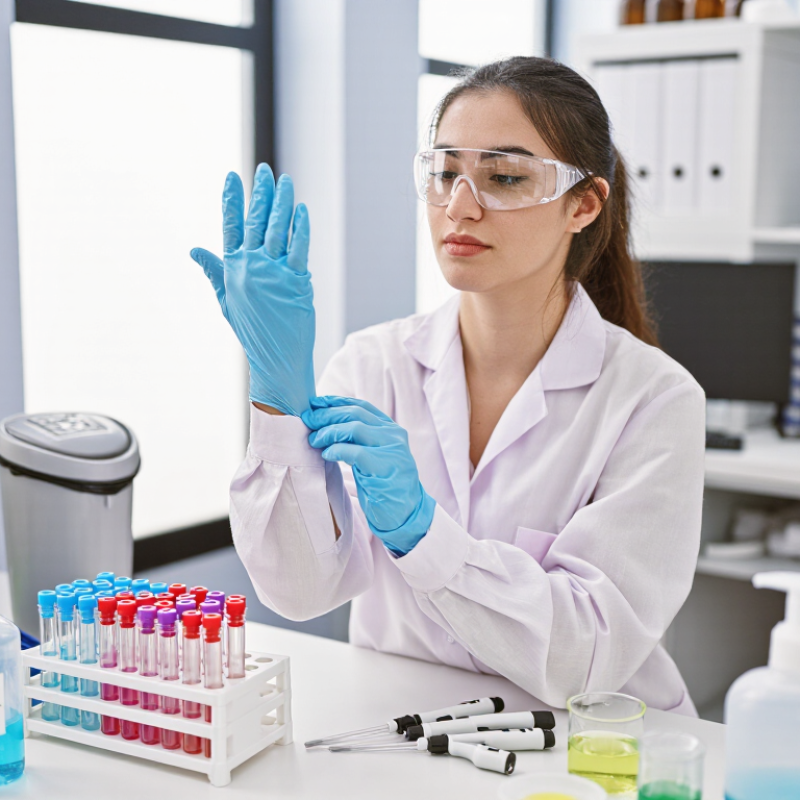
Cross-contamination often starts with ordinary touchpoints, not dramatic spills. A gloved hand moves from a sample tube to a pipette, then to a bench control. The glove may look clean, but it can carry residue between tasks. Small details matter.
Shared equipment can spread material between work areas. Pipette buttons, centrifuge lids, refrigerator handles, keyboards, and door plates are easy to overlook. Reagent bottles are another risk when a used glove touches the cap or neck. Aerosols and small droplets may settle on nearby surfaces, especially around open tubes. Gloves are not magic.
Workflow habits matter, too. Touching a phone, notebook, or waste-bin lid and returning to a sample creates another route for transfer. Change gloves between incompatible tasks, and replace them immediately after a tear or visible contamination. Keep clean supplies apart from used items, and disinfect shared surfaces according to the laboratory’s procedures. It is easy to focus on the sample and forget the bench controls. That is worth reconsidering: a careful glove routine depends on noticing what hands touch between steps.
Gloves can transfer biological, chemical, or particulate contamination from one surface or sample to another. Use gloves appropriate to the task, change them when contaminated or moving between work areas, and follow the laboratory’s procedures.
| Common source | How contamination can spread | Glove-related control | Good practice |
|---|---|---|---|
| Shared equipment and touch points Keyboard, mouse, door handle, instrument controls |
Gloves used during sample handling can deposit material on frequently touched surfaces; later contact can carry it back to clean items or samples. | Do not use sample-handling gloves on shared controls unless the procedure requires it. | Plan instrument settings in advance where practical. Remove gloves before touching common surfaces, then perform hand hygiene as required. |
| Multiple samples or specimens | A glove that contacts one sample, its container, or a contaminated work area may transfer material to another sample. | Change gloves between samples when required by the protocol or when contamination is suspected. | Keep samples clearly separated, handle clean items before potentially contaminated ones, and avoid touching the inside of containers or closures. |
| Reagent bottles and shared stocks | Touching a bottle cap, dispenser, or stock container with contaminated gloves can introduce material into a shared supply. | Use clean gloves when handling stock containers and avoid contact between gloves and bottle openings. | Dispense only the needed amount using clean technique. Do not return unused material to the stock container. |
| Pipettes, tips, and small tools | Contact with contaminated gloves can transfer residue to handles, racks, or items used for another sample. | Keep gloves away from clean tips and contact surfaces; replace gloves if they touch a contaminated tool or surface. | Use the appropriate sterile or clean consumables for the task, and never reuse disposable tips between samples. |
| Waste containers and contaminated materials | Handling waste can contaminate gloves; touching clean supplies or work surfaces afterward can spread contamination. | Treat gloves used for waste handling as contaminated and replace them before returning to clean work. | Dispose of waste in designated containers. Remove gloves safely and perform hand hygiene after removal. |
| Damaged, poorly fitting, or unsuitable gloves | Tears, punctures, or unsuitable material can allow contamination or hazardous substances to reach the skin; a compromised glove may also transfer material unnoticed. | Select gloves based on the biological or chemical hazard, task, and required dexterity. Replace damaged or contaminated gloves promptly. | Inspect gloves before use and follow the safety data and local procedures. Gloves do not replace hand hygiene or other required protective equipment. |
Reminder: Follow the laboratory’s risk assessment and standard operating procedures. Change gloves between tasks or work zones when needed, and remove them before leaving designated work areas.
It often starts with ordinary touches. A gloved hand moves from a sample tube to a pipette, then to a bench control. The glove may look clean.
Common touchpoints include pipette buttons, centrifuge lids, refrigerator handles, keyboards, and door plates. These surfaces are easy to overlook. Wipe them regularly.
No. Gloves are not magic. They can carry residue between tasks. Change gloves between incompatible activities or after visible contamination.
Remove one glove without touching its outer surface. Hold it inside the gloved hand. Slide ungloved fingers beneath the remaining cuff. Fold the contaminated surfaces inward.
Place them directly into the designated waste container. Never leave them beside the sink or on the bench. That habit needs reconsideration.
Clean your hands every time gloves are removed. Use soap and water for 40–60 seconds when hands look dirty. Use alcohol-based handrub for 20–30 seconds otherwise.
Rub between fingers, around thumbs, and beneath fingernails. Check for moisture, tears, or visible residue. Small areas still matter.
Clean the sink handle afterward. Also disinfect shared surfaces according to laboratory procedures. Disposal can spread contamination if touched surfaces are ignored.
Keep clean supplies separate from used items. Remove gloves before touching phones, notebooks, doors, or clean equipment. The bench may deserve as much attention as the sample.
How to avoid cross-contamination in labs with gloves begins with recognizing where contamination can occur. Common sources include shared equipment, work surfaces, door handles, sample containers, and contact between clean and contaminated materials. Gloves should be selected according to the task, substances handled, required dexterity, and the level of protection needed. Before putting them on, wash and dry your hands, inspect the gloves for damage, and touch only the appropriate surfaces so the outside remains clean.
Gloves should be changed immediately when torn, visibly contaminated, or when moving from a dirty task to a clean one. Avoid touching your face, personal items, or clean equipment with used gloves. Remove gloves carefully by turning them inside out without touching the contaminated exterior, then place them in the proper waste container. After removal, wash your hands thoroughly with soap and water, even if the gloves appeared intact. Consistent glove practices, combined with routine cleaning and careful workflow separation, help reduce the risk of cross-contamination.

 Puppelio Glove